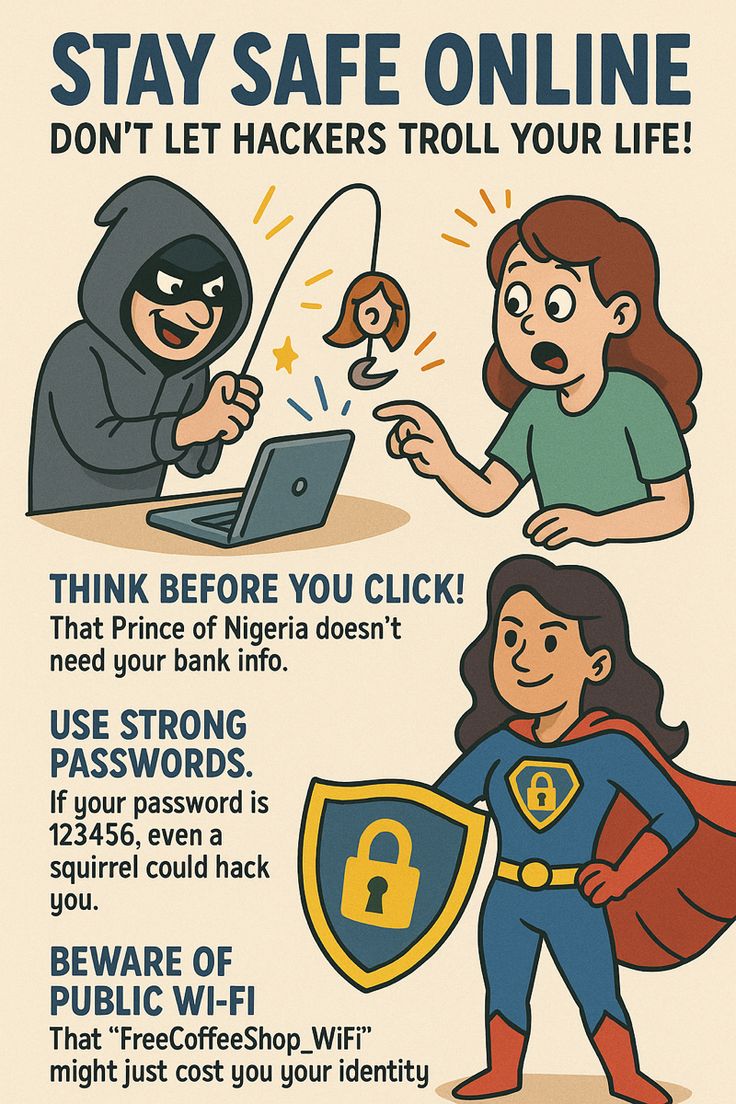
What Are Online Scams and Why Are They Dangerous?
Why Are Online Scams Increasing So Fast in 2026?
What Are the Most Common Types of Online Scams?
What Are the Warning Signs of an Online Scam?
How Can You Protect Yourself From Online Scams?
What Should You Do If You Become a Victim of an Online Scam?
- What Are Online Scams and Why Are They Dangerous?
Online scams are fraudulent schemes carried out through the internet where criminals trick people into sending money or revealing sensitive information.
These scammers often pretend to be:
Banks
Government officials
Online shopping websites
Investment companies
Social media friends
Their goal is simple: gain trust and steal money or personal data.
The most dangerous part is that many scams look completely legitimate. Even experienced internet users sometimes fall victim to them. - Why Are Online Scams Increasing So Fast in 2026?
The rise of online scams is linked to the rapid growth of the digital world.
Several reasons explain this increase:
Increased Digital Payments
More people are using online banking and mobile wallets, which creates opportunities for scammers.
Social Media Expansion
Millions of people share personal information online, making it easier for criminals to target victims.
Lack of Cybersecurity Awareness
Many users are unaware of common online fraud tactics.
Advanced Scam Techniques
Modern scammers now use AI-generated emails, fake websites, and realistic messages to trick people. - What Are the Most Common Types of Online Scams?
Cybercriminals use different strategies depending on the target.
Phishing Scams
Phishing emails appear to come from trusted companies.
Victims are asked to click a link and enter account details.
Online Shopping Fraud
Fake websites advertise extremely cheap products.
After payment, the product never arrives.
Investment and Crypto Scams
These scams promise huge profits with minimal risk, convincing victims to invest in fake platforms.
Job Offer Scams
Scammers advertise fake jobs and ask applicants to pay registration or processing fees.
Social Media Scams
Hackers create fake profiles or hack accounts to ask friends for money. - What Are the Warning Signs of an Online Scam?
Recognizing scam warning signs can help you avoid becoming a victim.
Common red flags include:
Urgent messages demanding immediate action
Requests for passwords or OTP codes
Suspicious website URLs
Messages claiming you have won a prize
Deals that seem too good to be true
Whenever you see these signs, it is best to verify the information before responding. - How Can You Protect Yourself From Online Scams?
Protecting yourself online requires a few simple precautions.
Use Strong Passwords
Create complex passwords with letters, numbers, and symbols.
Enable Two-Factor Authentication
This adds an extra layer of security to your accounts.
Avoid Clicking Suspicious Links
Always check the source before clicking links in emails or messages.
Verify Websites Before Making Payments
Make sure the website is legitimate and secure.
Stay Informed
The more you learn about online scams, the easier it becomes to avoid them. - What Should You Do If You Become a Victim of an Online Scam?
If you suspect you have been scammed, act quickly.
Change Your Passwords
Immediately update passwords for all affected accounts.
Contact Your Bank
⚠️ If an online offer looks too good to be true, it probably is.
FAQ (SEO Boost – Google Ranking)
What is the most common online scam?
Phishing scams are currently the most common type of online fraud worldwide.
How do scammers get personal information?
They collect information through phishing emails, fake websites, social media profiles, and data leaks.
Can online scams be traced?
Yes, cybercrime authorities can trace many scams, but recovery of stolen money is not always guaranteed.
Are online shopping scams common?
Yes, fake online stores are one of the fastest-growing types of online fraud.
How can I protect my bank account online?
Use strong passwords, enable two-factor authentication, and never share OTP code